

Hey all, happy new year! Time to reflect on the previous year’s commander games. In 2025 I—Cement—played a whopping 339 games of commander. Continuing the tradition from last year (covered here), I tracked wins and losses for each deck I played. These games span every pod I played in—whether in-person at a kitchen table or online via SpellTable. All of my decks fall into either a Bracket 2 or 3 category. This time I’m giving out awards:
- Highest Win Rate: Old Rutstein
- Most Fun New Deck: Teysa, Opulent Oligarch
- Biggest Comeback: Altaïr Ibn-La’Ahad
- Most Surprisingly Good: Etrata, Deadly Fugitive
- Most Disappointing: Cleopatra, Exiled Pharaoh
I’ll also provide some other highlights of decks or articles featured in the last year, plus the full stats breakdown below. Let’s dive in!
Highest Win Rate (Still the King): Old Rutstein
80% Win Rate over 25 games. Played primarily in Bracket 3.
Decklist: https://archidekt.com/decks/18742434/old_rutstein
Retaining his crown from last year, Old Rutstein has won me 20 out of 25 games this year. Last year he won 8 of 8, so this year I opted to play more of him to get more data. Was 2024 just a fluke or is this guy my secret weapon?
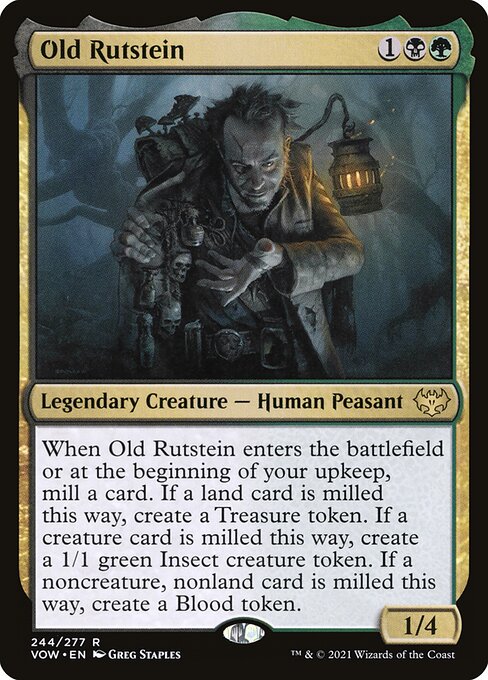
I’ve written an article specifically about Ol’ Rusty so I won’t dive into too many details here. He’s had a few changes since 2024 but his core theme is the same: aristocratic, self-mill reanimator deck. I think Old Rutstein’s real superpower is simply not looking threatening. 1/4 that mills 1 thing a turn and gets you a mild token is not on anyone’s power-crept radar. Lean into Golgari’s ample self-mill and reanimator options and even an occasional graveyard sweeper usually isn’t enough to count you out.
How do you stop this guy? You can definitely craft a deck that could stomp this one – just fast voltron or consistent graveyard hate would cripple the deck. But you don’t see either too often in the world of Bracket 3. I also mostly play this deck online – playing against a pod that consistently sees this deck would likely drop its win rate as players would be more likely to pressure the deck early.
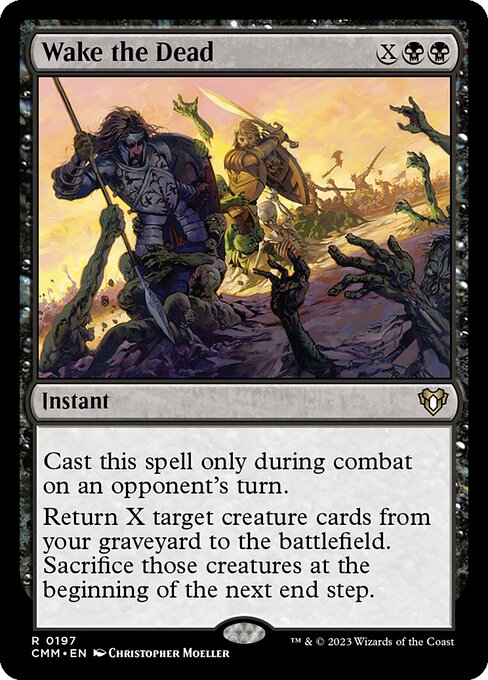
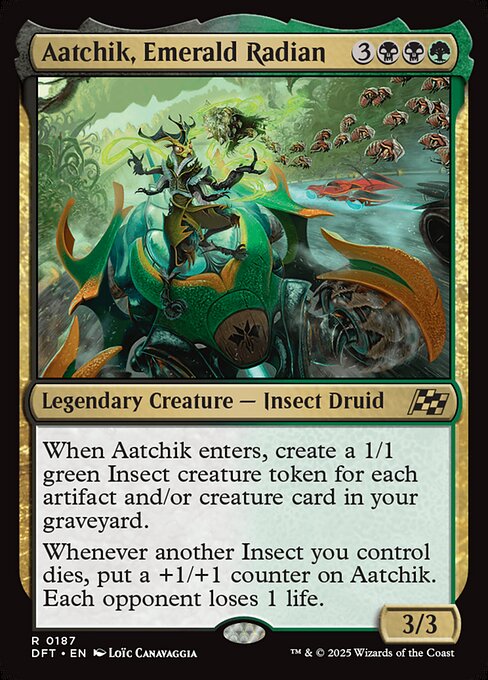

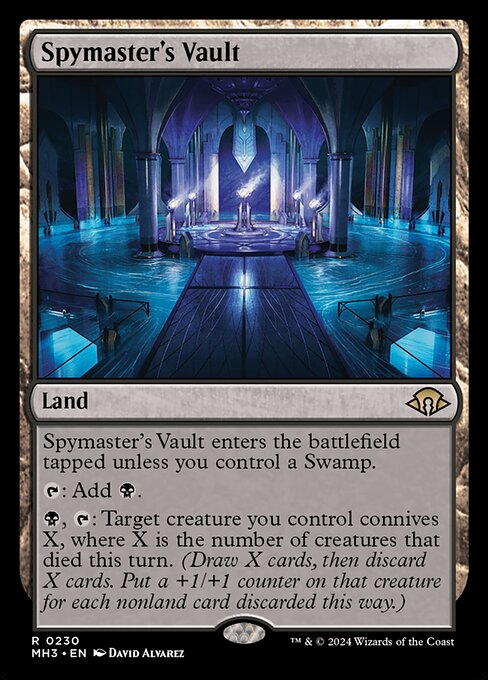
The best new addition to the deck this year is Wake the Dead as it provides a pretty huge power swing for a nominal mana cost. Reanimate a bunch of stuff, sacrifice them all, get a bunch of triggers, and potentially block a bunch of creatures too. What’s not to like? This card has won me games on other player’s turns a number of times this year.
If your pod underestimates incremental value engines or doesn’t run enough graveyard hate, Rutstein will feast!
Most Fun New Deck (and Most Iterated): Teysa, Opulent Oligarch
55% Win Rate over 40 games.
Decklist: https://archidekt.com/decks/18742380/teysa_opulent_oligarch
Ohhhh Teysa. She’s so rich! She’s so influential! She’s so… dead?! She was the one who was in Murdered in Karlov Manor?? Oh my! But as the Orzhov often do, she returns as a spirit and finds still at the helm of the Orzhov syndicate (and this very flexible build-around deck).
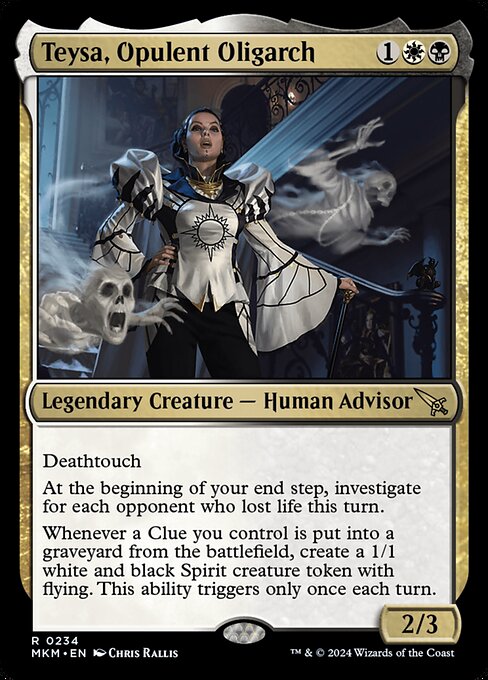
On your turn, damage your opponents to be rewarded with clues. Once any turn, get yourself a flying 1/1 white and black spirit when you sacrifice a clue.
The original plan with this deck was a pseudo draw-go archetype. I would do something on my turn to ping people for damage, get my clues, and hold up my mana to either crack clues or play interaction depending on the situation. Slowly grow a spirit army and grind my way to victory.
I probably bought 150 cards for this deck – not including lands – so it’s seen a lot of change throughout the year but I’m happy with where it’s landed. You need a solid core of cards that can get the deck running, but after that you have a bunch of ways to build the deck.
I used to have a Belbe, Corrupted Observer deck so all of Belbe’s pingers ended up here. Cards like Vicious Conquistador, Mardu Shadowspear, Creeping Bloodsucker and more provide the deck with easy ways early game to generate clues. I don’t run much early ramp as I’d much rather have Teysa out on Turn 3 with a pinger on board to start generating tokens. That said, some of the ramp I do run is actually really fun to play with in this deck:
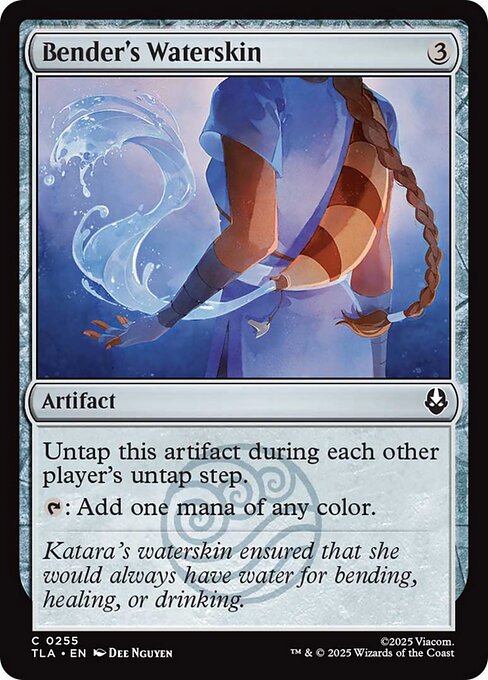
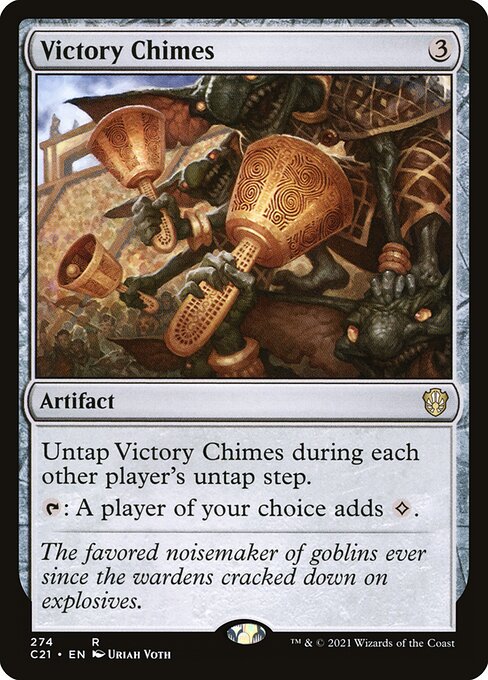
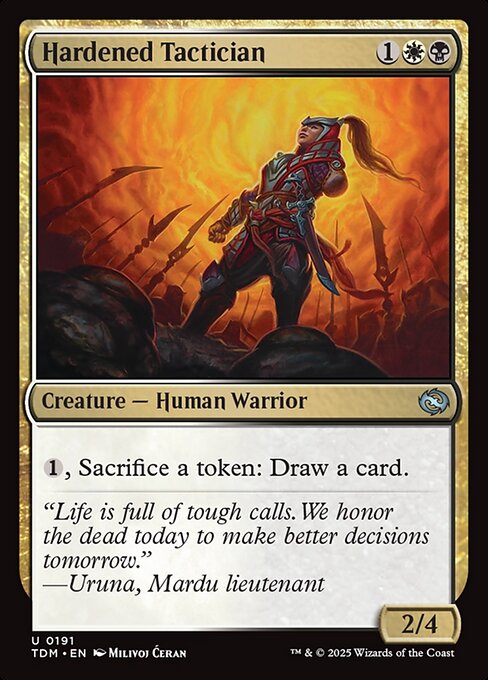
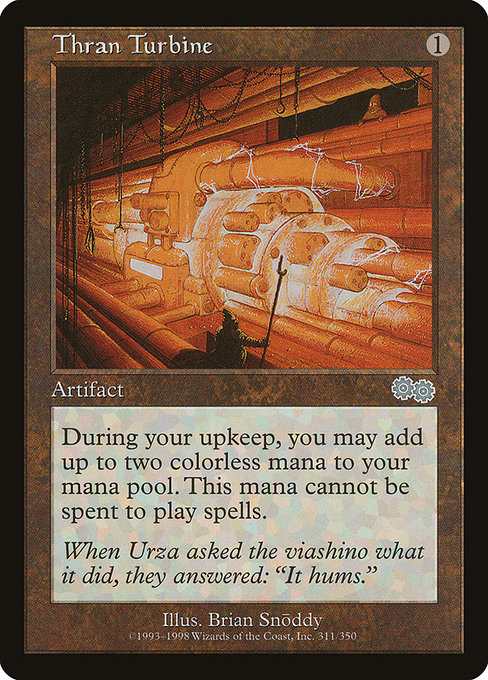
Bender’s Waterskin, Victory Chimes, and Hardened Tactician all basically make cracking one clue per turn cost 1 mana instead of 2. This turbo-charges your card draw and spirit production. Get two of these cards out and one clue a turn becomes free! I also really like Thran Turbine as it gives you mana to sac a clue on your upkeep. Basically a Phyrexian Arena for 1 colorless and no life loss. What’s not to love?
What this deck actually does well:
This deck really revolves around the various ways creating and sacrificing clues can benefit you. From draw to incidental damage, the options for cards you play that interact well with this deck are plentiful.
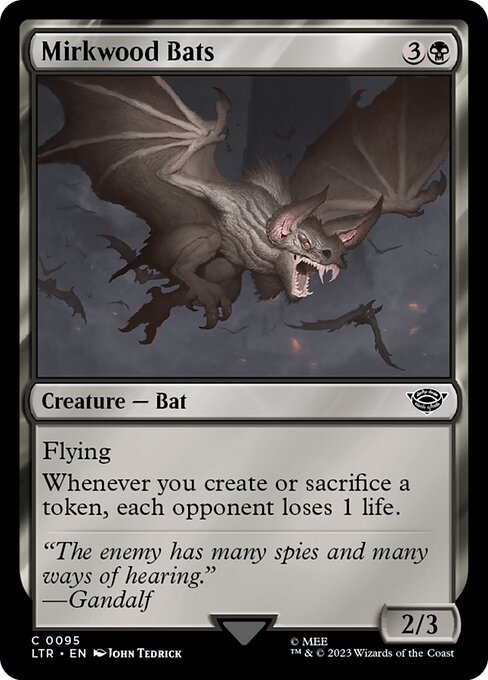
This version of the deck is kind of the cousin of traditional Orzhov – instead of being aristocrats and sacrificing your creatures, you’re mostly focused on sacrificing clues and leveraging cards that care about making or losing tokens. Mirkwood Bats is a great example, as just 1 turn cycle you could hit everyone for 9 damage by getting 3 clues on your turn and cracking one on each other player’s turn. Combine this with Teysa’s twin sister, Teysa, Orzhov Scion, and you can blast the table for half their health out of nowhere.
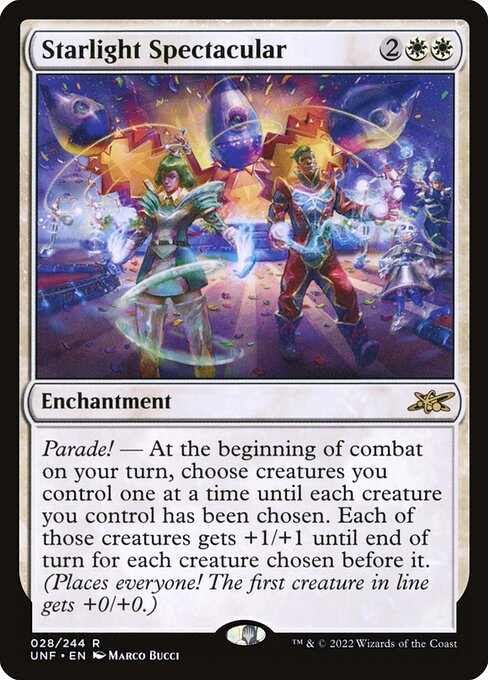
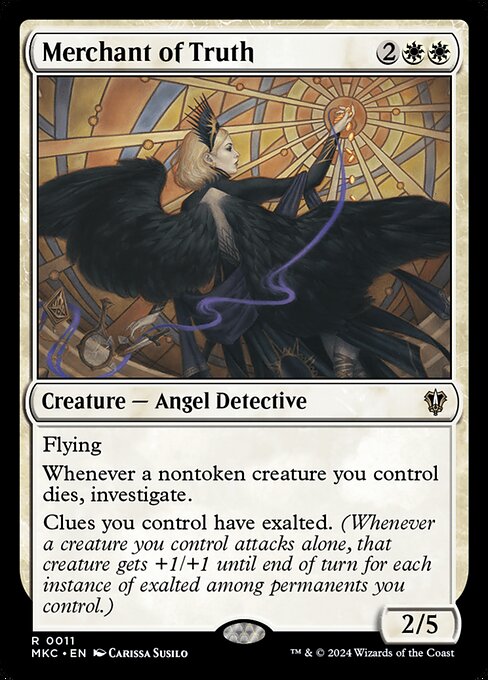
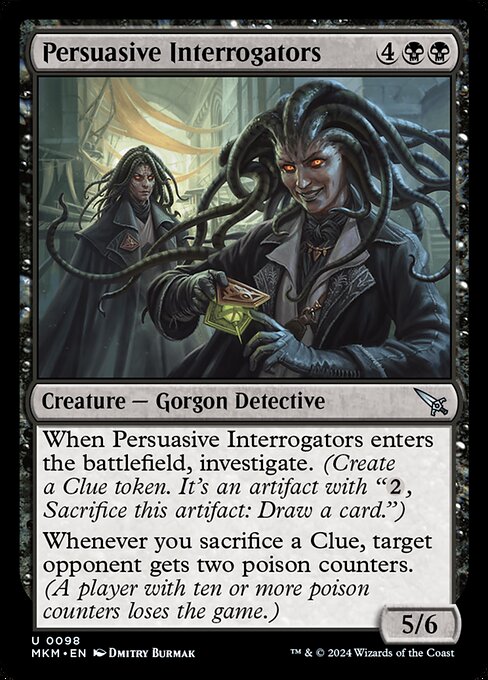
I also have a couple cards that allow for go-wide or go-tall win conditions: Starlight Spectacular can often win the game the turn it’s played if you’ve accumulated a small spirit army. In case you’ve been mana starved or just happen to have a large stockpile of clues, Merchant of Truth turns your tokens into a buff for a single attacking creature. I don’t run it, but Persuasive Interrogators can just poison kill someone if you build your deck to stockpile clues and sacrifice them easily. Corpse Knight is an impact tremors for your spirits. Even Westvale Abbey has a home in this deck, turning 5 1/1’s into Ormendahl, Profane Prince – a big flying indestructible lifelink beater.
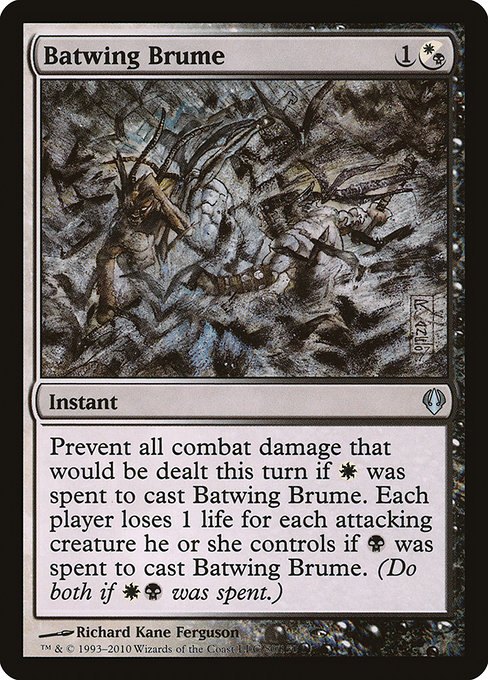
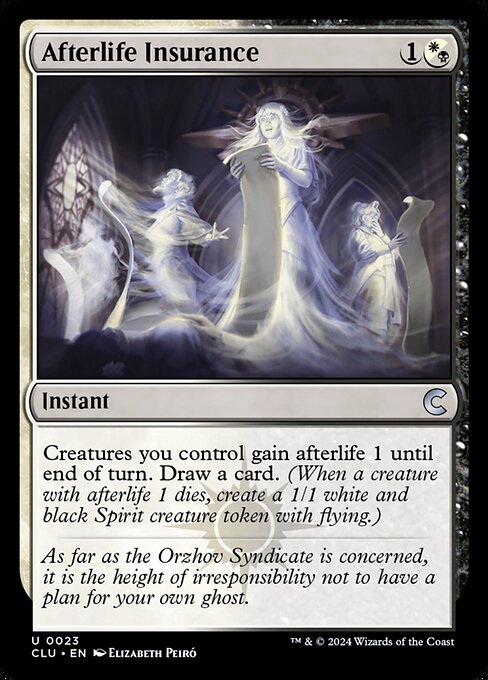

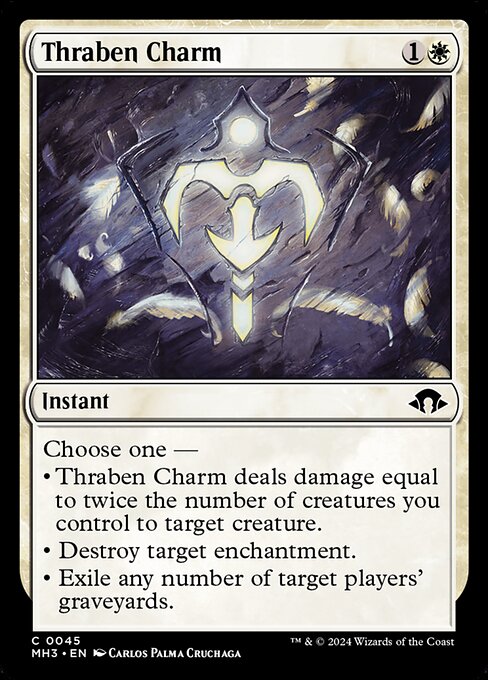
Since clues cost 2, I like playing with a number of 1 or 2 mana instant interaction spells – that gives me the draw-go feel of either interacting or drawing a card. Some favorites include Batwing Brume, a fog and retribution damage dealer for 2 mana. Afterlife Insurance turns an opponent’s board wipe into a small army of spirits for me; or if I’m about to pop off with a sac loop with something like Teysa, Orzhov Scion I can use it to effectively double my creature count. Reprieve for a fun white pseudo-counterspell (I really want to find a spot for Mana Tithe in this deck). Thraben Charm for flexible removal at 2 mana – really trying to add more graveyard hate in my decks. Other than that, throw in all the classic or your favorite interaction!
Teysa’s been a blast to play and iterate against. Her core of draining for clues builds on itself as its own win condition. She provides you steady card advantage, an army of small evasive spirits, and plenty of ways to craft a deck to showcase why Teysa is the head of the Orzhov syndicate.
Biggest Comeback After Getting Crushed: Altaïr Ibn-La’Ahad
44% Win Rate over 27 games.
Decklist: https://archidekt.com/decks/18742483/altair_ibnlaahad
I don’t know why the Assassin’s Creed set got so much hate. Unless you adamantly don’t like Universes Beyond, this set was pretty great. Smaller packs, higher card quality – I don’t know about you guys, I don’t want a bunch of unrecyclable draft chaff at my house. Imagine if they had given that treatment to Spider Man instead of rushing it into the pile of mid it turned out to be?
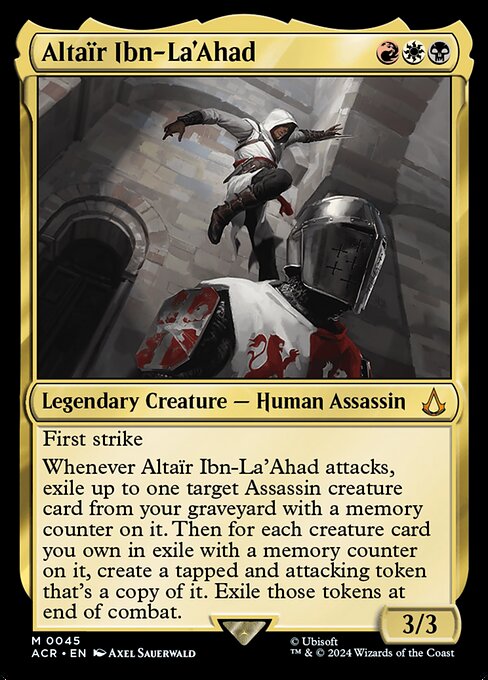
Anyways, I bought a number of these packs and pulled Altair, one of the legendaries from the set that can obviously helm a commander deck with a number of the other assassins in that set (or other sets). Altair’s name translates roughly to “The Flying One, Son of No Man” and he’s got a pretty unique linearly scaling ability. Attack with him, exile an assassin from your yard with a memory counter, then bring back every creature as a token with a memory counter on it tapped and attacking. Exile ’em at end of combat.
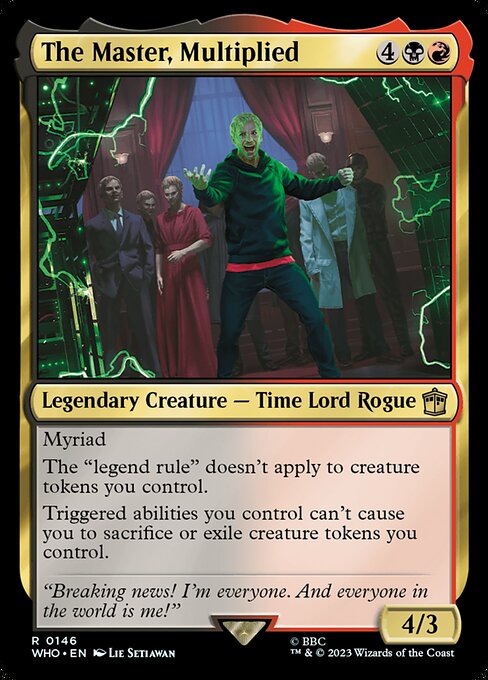
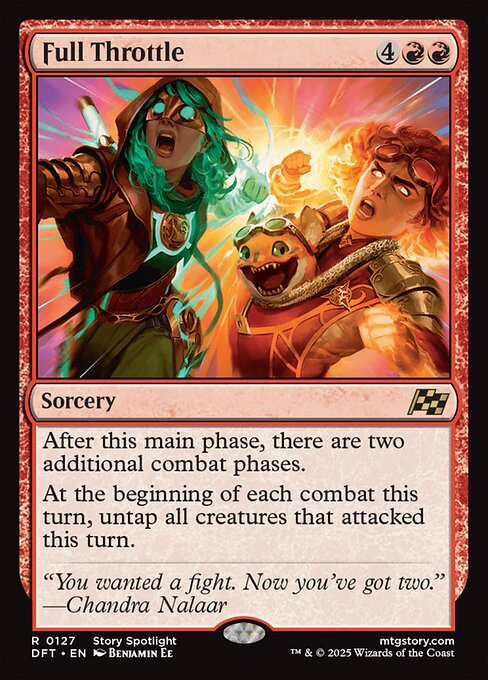
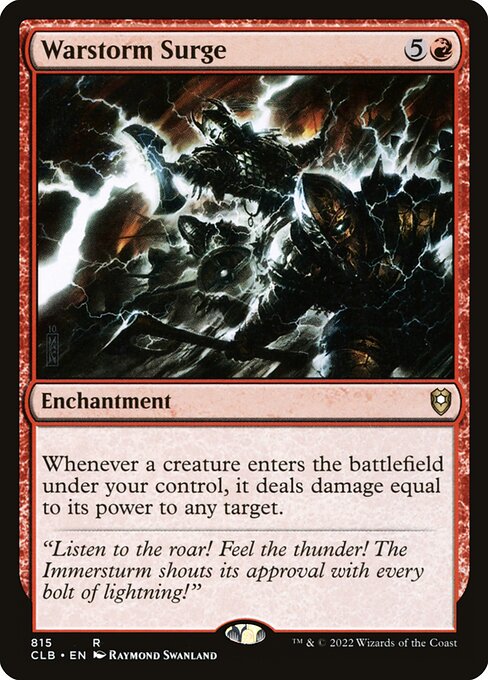
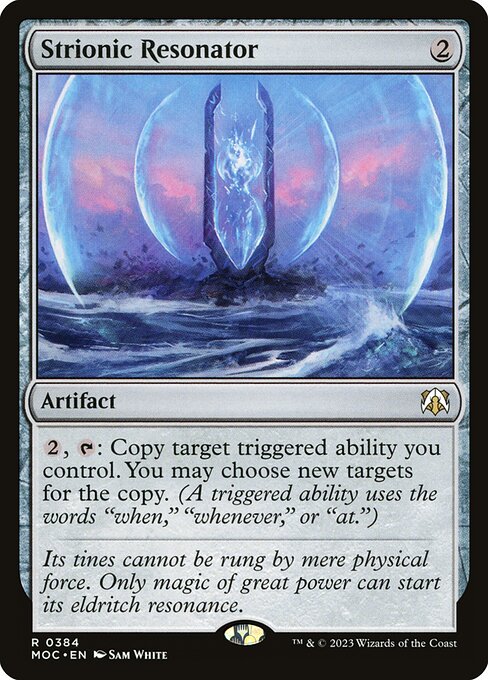
Each combat your army gets better, you can play cool tricks to not have to exile your tokens, you can play impact tremors effects to deal increasing table damage, you can get cute with extra combats! Finally, a home for Warstorm Surge – how about doming someone for 30 before they declare blockers?? You barely even need lands in the deck, as most of your creatures are basically free! 35 lands, very little ramp, a bunch of discard/draw effects, random ways to capitalize on your ideal game plan; etc. The world is your oyster! This deck is going to dominate!
Where the deck went wrong
Or so I thought. I built the deck this way initially and got wrecked. Over. And over. And over.
The thing is, most of my commanders are low threat. You’ll notice that in a number of my articles. A few of my decks don’t even need my commander to function. Rutstein for example, helps the deck, but no one ever target removes him and even if they did the deck could function fine.
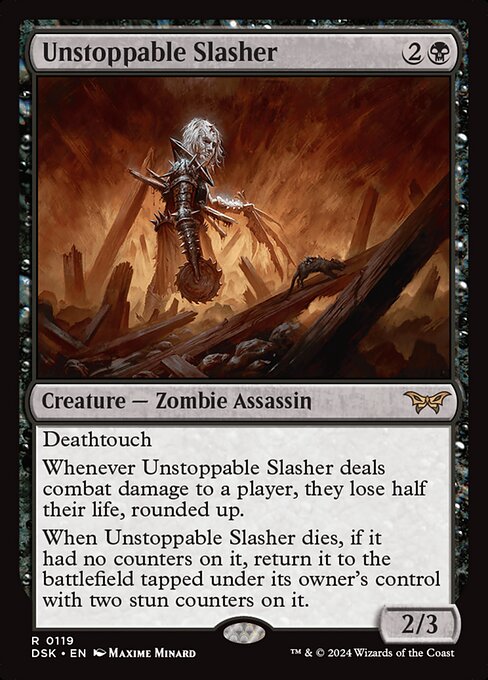
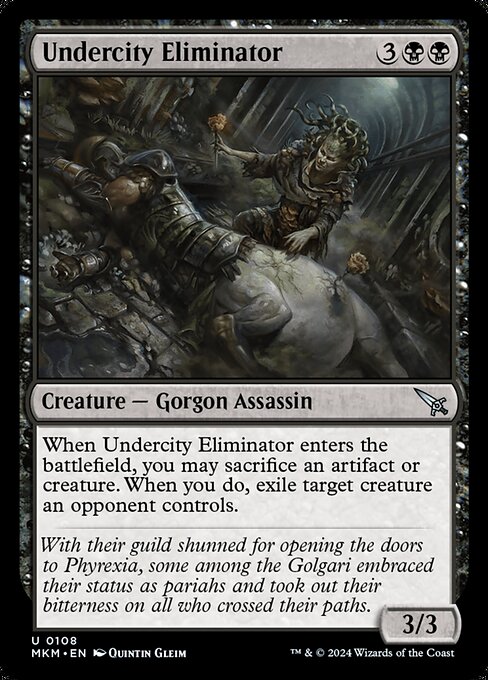
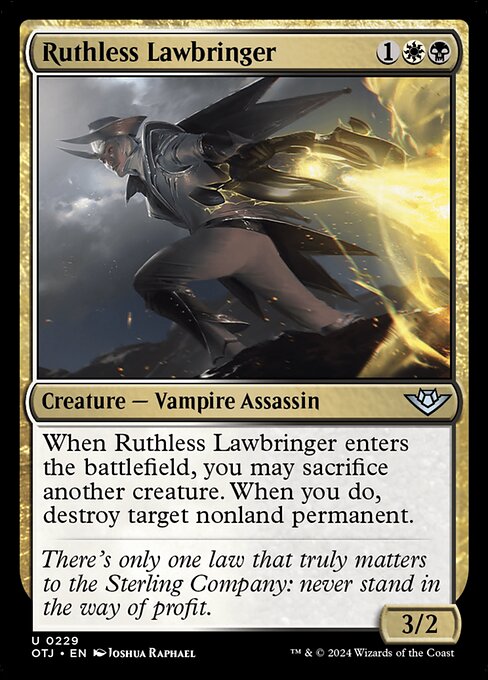
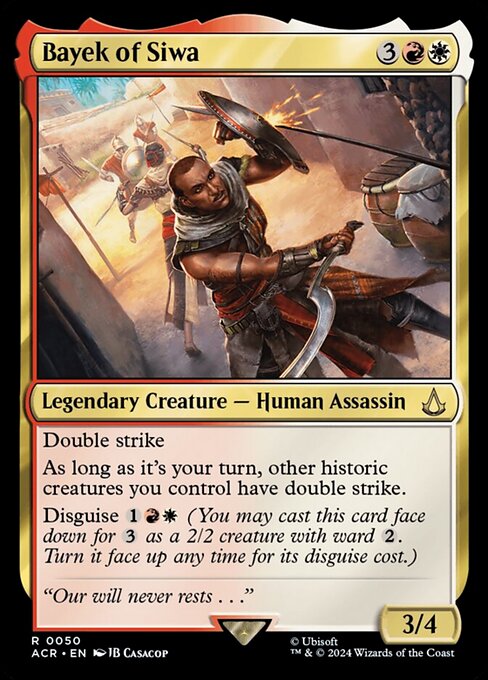
Altair taught me a hard lesson: he is not low threat. He’s not high threat early but as soon as you dump some scary assassins in the yard, people start thinking twice about letting you get to combat with him on board. The longer he stays on, the more menacing he is – eventually eclipsing even threat levels of something like a typical Kaalia.
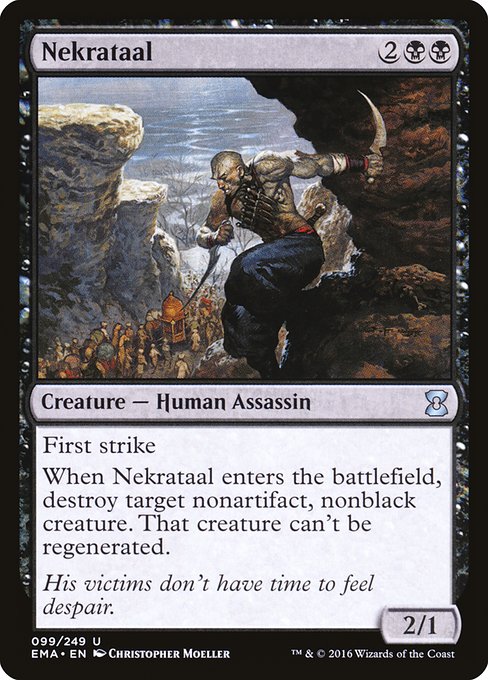
Cards like Ruthless Lawbringer and Undercity Eliminator get pretty annoying to deal with every combat. Being forced to block an Unstoppable Slasher every turn to preserve your life total keeps the pressure on. Having Nekrataal or Serpent Assassin kill almost any creature gets old fast. All of these problems, one solution: remove Altair.
My low initial land and ramp count meant that early removal of my commander could just lock me out of my gameplan. Even casting 5 cmc assassins was a significant tempo loss, as the point of many of them was for them to come out combat after combat to re-use their ETBs.
Furthermore, when it’s not your turn, you have a pretty small board presence as your commander is tapped and your other creatures are exiled. This leaves you susceptible to just being pummeled via combat by your opponent’s random creatures. Lastly, Altair himself isn’t exactly difficult to just kill in combat. 3/3 first strike is just not that scary. You might get your triggers but lose your commander in a trade.

What Began to Turn the Tide
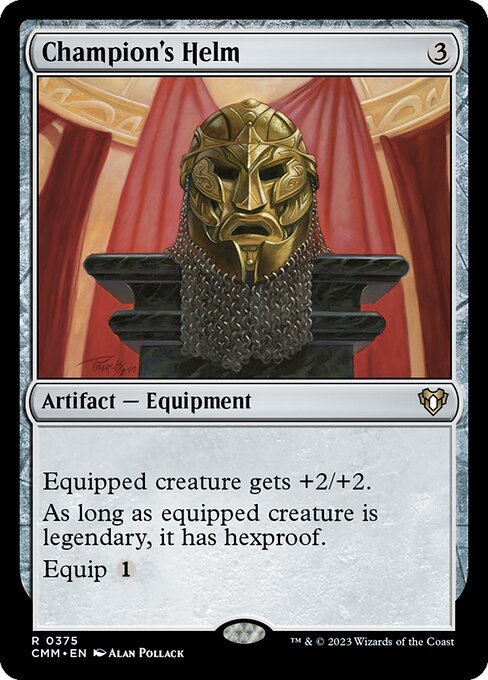
I had to iterate over this deck a lot both in 2024 when I initially made him (ending the year 3 and 7) and 2025. I shifted out most of the ‘cute’ stuff for protection, ways to give Altair haste, bumped up the land and (though not really ramp) count, and added a number of board wipes that target numerous permanents. He finally started picking up wins more consistently. The Haste was a big difference – no amount of protection is going to save you every time, but with haste, at least you’re able to try to swing on that same turn.
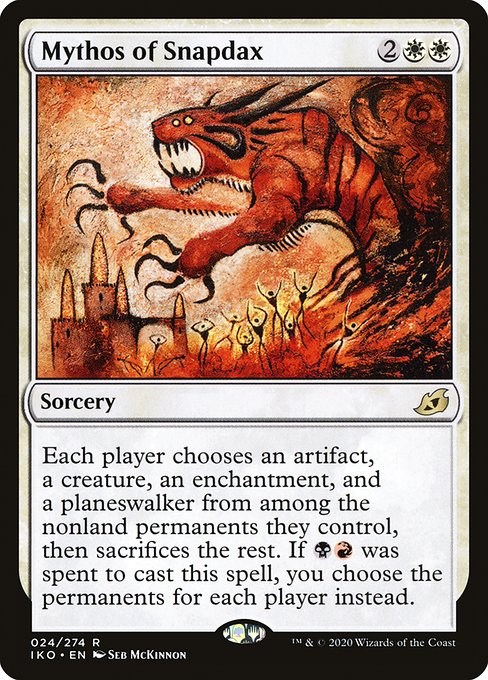
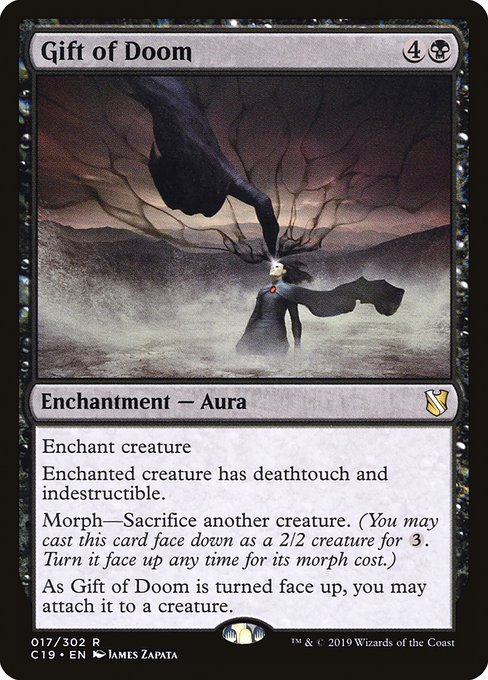
I’m a big fan of Mythos of Snapdax and Tragic Arrogance in this deck – allowing me to typically keep my whole board while reducing everyone else’s to their worst permanents. Kaya’s Ghostform eats 1 removal for 1 black; Gift of Doom allows me to sacrifice a token to give Altair indestructible. I did cave and put in a Buried Alive as the only creature-yard tutor in the deck, allowing me to get Anger and 2 other assassins that best solve the current problem.
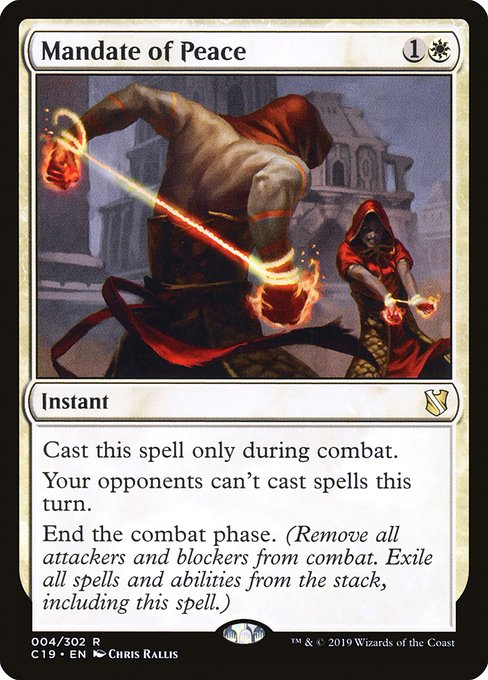
Mandate of Peace is very cool in this deck – its floor is a fog, but its ceiling is a counterspell and a way to keep your tokens (either permanently or until the next end of combat, depending on if you exiled the delayed trigger when you cast it). Using this on your own turn, especially after combat damage during the end of combat step, you can cast this spell to prevent you from having to exile your tokens at all if you do it while the exile triggered ability is on the stack.
To this effect, I used this against an opponent’s Constant Mists once – exiling his mists even after he paid the buyback cost. He was in a lands-from-yard deck, so without the Mandate I surely would have lost!
Overall the deck has improved over time, though it can still fizzle out if Altair is removed too many times. I’ve also won two games this year by just casting Rakdos Charm at the right time, so even his win rate is a bit skewed with some niche wins. I haven’t covered the assassins in the deck in detail, but check out the decklist and take a browse. Let me know if you’d like a dedicated article!
Most Surprisingly Good: Etrata, Deadly Fugitive
69(nice)% Win Rate over 13 games.
Decklist: https://archidekt.com/decks/18742363/etrata_deadly_fugitive
I’ll preface by saying I don’t play theft decks on Spelltable, so all of these games were from in person pods. I’ll also preface by saying that although I wrote an article about Etrata, I never built that version of the deck as I didn’t feel like there were truly enough ways to make use of her unique ability to cheat manifested stuff from your own deck.
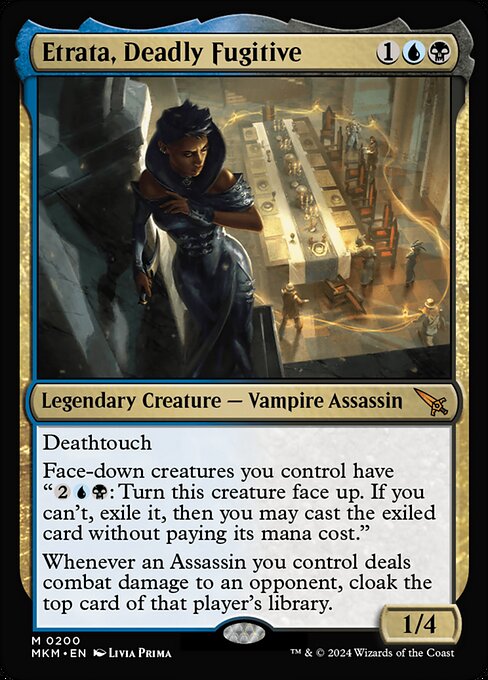
A brief recap, Etrata has two primary abilities: Whenever an assassin you control hits a player, you cloak the top card of their library. Cloak means put it face down on your board as a 2/2 with ward 2 that you can flip up at any time if you pay its mana cost. Flipping creatures this way will be challenging in a two color deck, which is where her other ability comes into play.
Her second ability allows you to pay 2 Blue Black to flip creature you control (likely one you cloaked from an opponent’s deck) face up. “If you can’t,” her ability reads, referring to non-creature spells, “exile it, then you may cast the exiled card without paying the mana cost.” Note this allows you to bypass timing restrictions, so you could cast a sorcery board wipe on someone else’s combat.
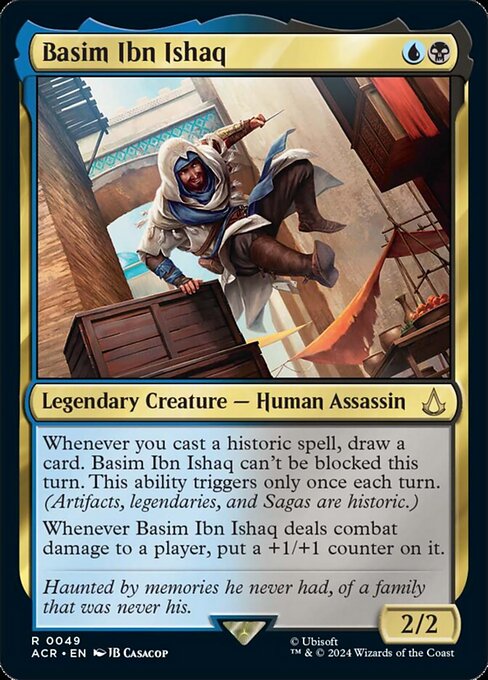
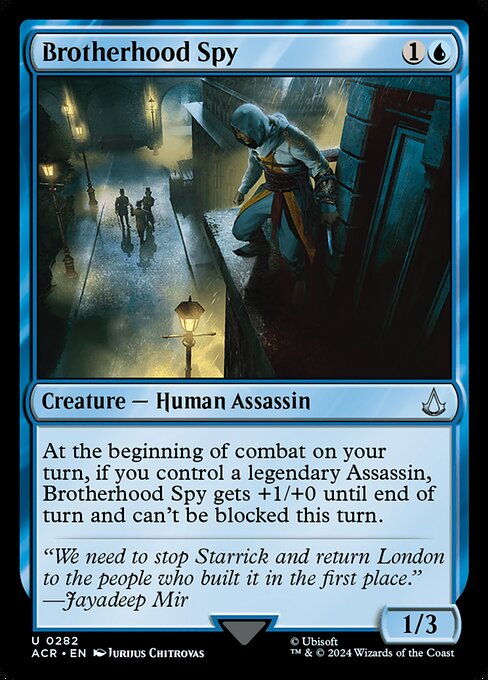

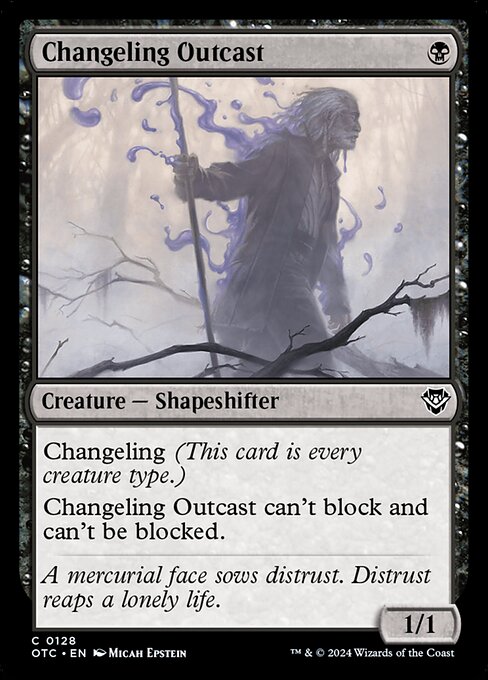

The Assassin’s creed set actually pumped out a lot of cool support cards for this set, making a evasive-assassin tribal core possible. On top of old staples like Changeling Outcast or Mothdust Changeling, you now have cards like Brotherhood Spy and Basim Ibn Ishaq to help get your engine running early.
Aside: It took me a long time to learn that Basim’s surname was actually “Is-hawk” not “Ish-aak”, as “Is-hawk” is the Arabic name for Isaac. So his name is simply: Basim, son of Isaac.
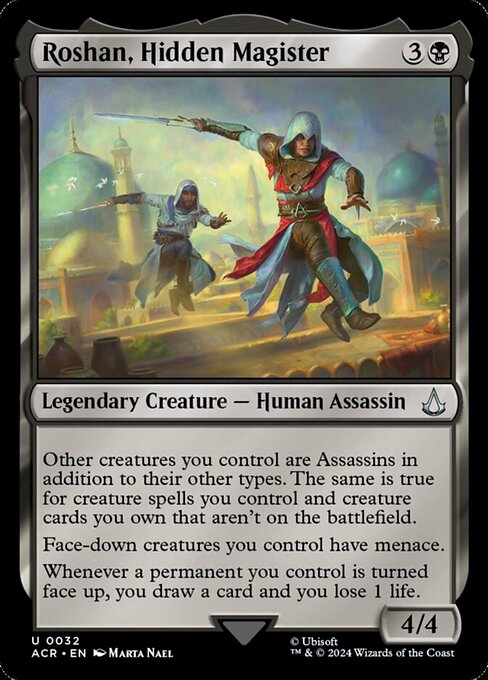
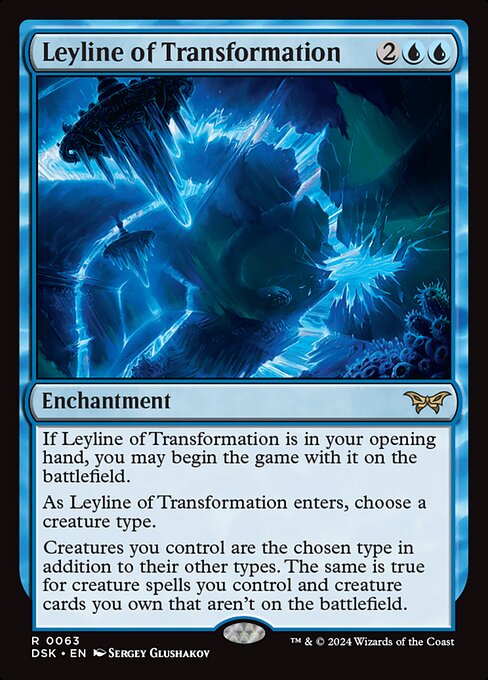
The real theme of the deck though, is to make every stolen cloaked card also an assassin. This deck runs every card it can that makes all your cards a specific creature type – like Leyline of Transformation or Maskwood Nexus. Roshan, Hidden Magister was basically printed for this deck. If all of your stolen creatures are assassins, then them hitting your opponents just get you more stolen creature assassins.
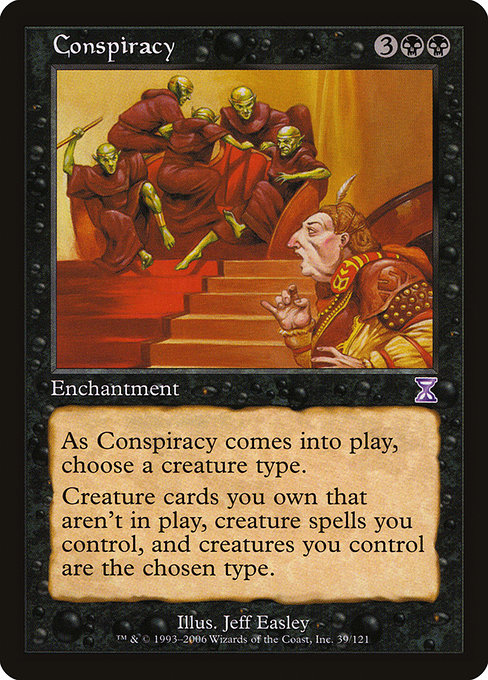
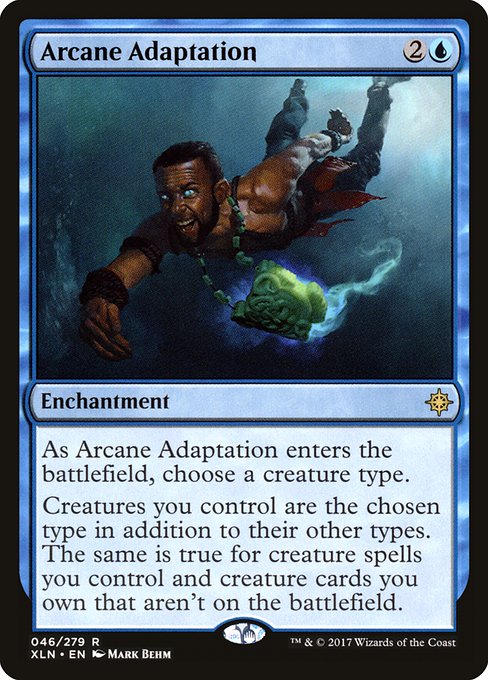
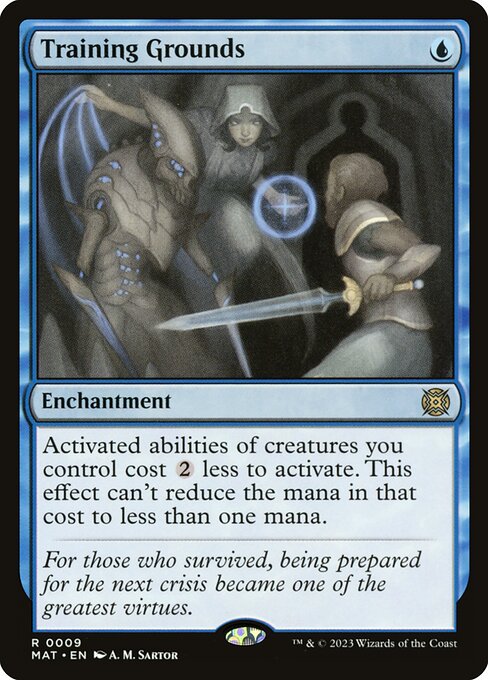
The end result is a surprisingly resilient go-wide strategy where your creatures are also sometimes surprise bombs or interaction. I play a lot of lands (40), some traditional ramp, and some activated-ability specific ramp like Omen Hawker or Training Grounds to try and make it so I can activate Etrata’s ability when I need to. This is pretty draw-go since any face down card you stole you can cast on your opponent’s end step before your turn and start your turn with full mana.
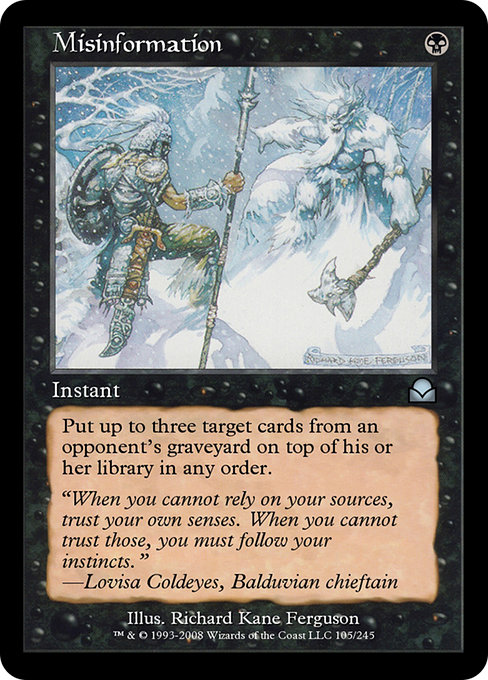
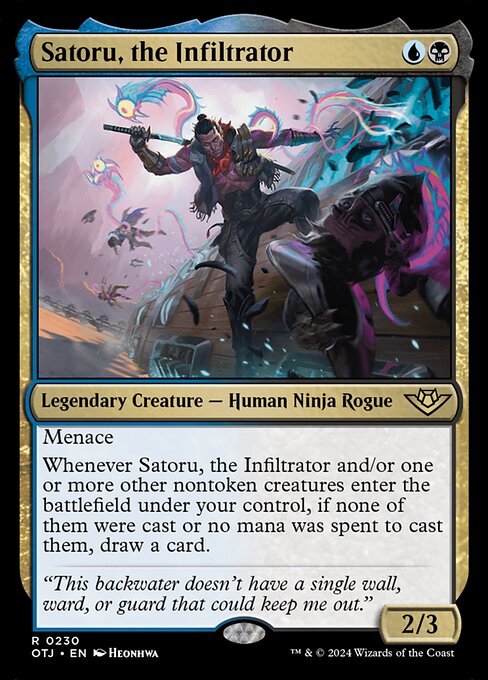
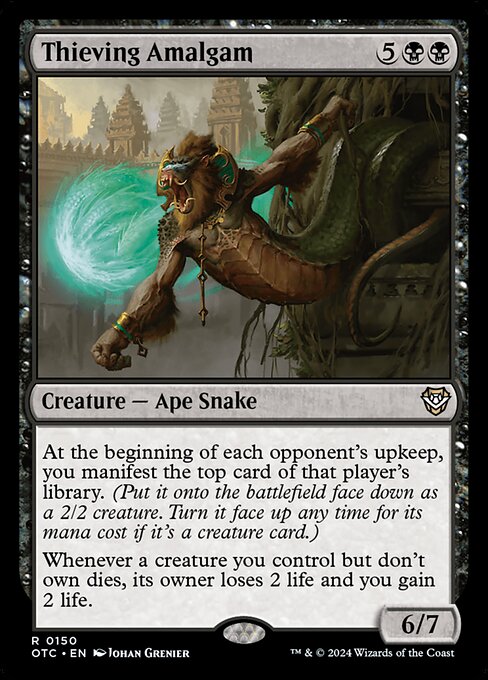
There’s a lot of fun tech options you could try out with this deck – you can play flicker cards (as long as they return them to the battlefield under your control – many bring them back under their owner’s control). You can play cards that put stuff on top of your opponent’s library – Misinformation or Memory Lapse for example puts an opponent’s reanimator target or bomb spell on top of their library just in time for you to steal. They Came From The Pipes and Satoru, the Infiltrator are really great card draw engines. Orochi Soul-Reaver and Thieving Amalgam help accelerate your token army.

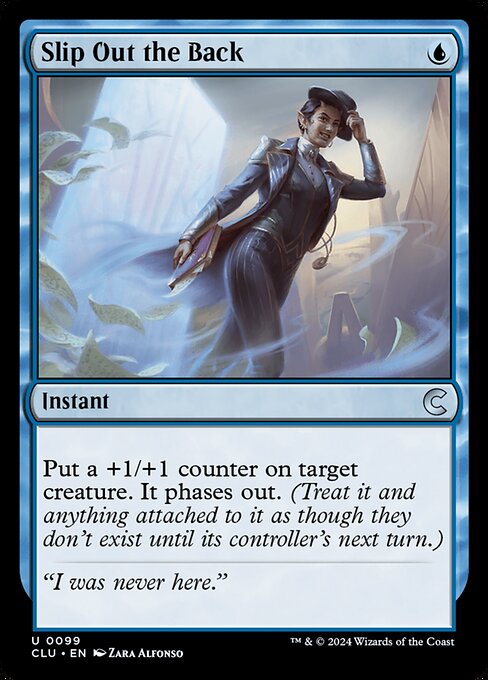
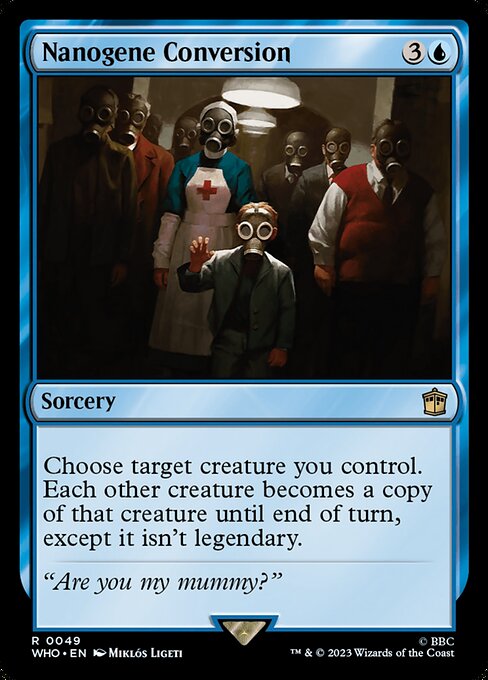
While Etrata herself isn’t exactly a huge threat, she is the key component to this deck, making her also the weak link if removed. Luckily you’re in blue so you can run counter-magic, but you can also run clone effects to double up on Etrata’s ability. I don’t have many in the deck, as unfortunately clone effects that work on legendaries are typically expensive. Except Chameleon, Master of Disguise – a slept on clone effect that keeps his name so he doesn’t die to the legend rule. I don’t have one but can you imagine Nanogene Conversion on your token army targeting Etrata? You might just mill someone out!
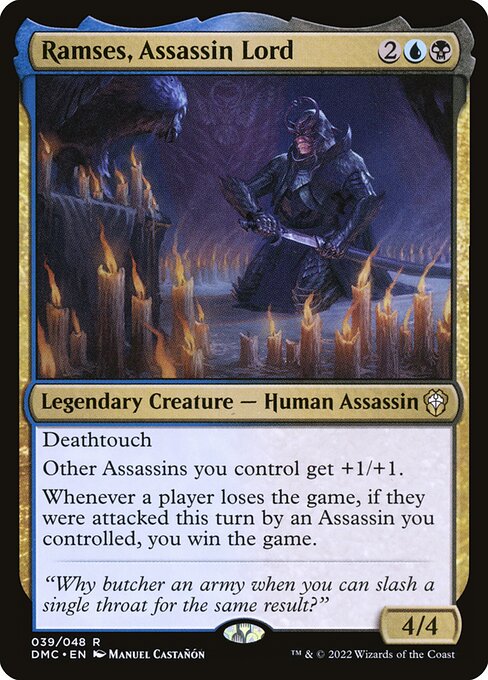
One tricky part about playing this deck is – if an opponent loses the game, you lose all of their face down cards. So it is an interesting exercise deciding if it’s worth losing a portion of your army to take someone out or if you need to whittle down everyone else’s life totals first. Ramses, Assassin Lord can help solve this problem, though!
Overall I have enjoyed this deck and the many lines it opens up for you to play. You can play your cards, you can play your opponents’, you have so many ways to figure out your own path to victory. My favorite play of the year? Flipping over a stolen Cloud’s Limit Break to destroy my buddy’s Cloud, Ex-SOLDIER. Talk about irony!
Overall Etrata’s proven to be quite a threat and a blast to play. I believe I may need to have a few more ways to protect her, and possibly a few more board wipes, to maintain this win rate. I think the surprise factor got her this high, I’m not sure it’s something that is sustainable. Time will tell!
Most Disappointing: Cleopatra, Exiled Pharaoh
14% Win Rate over 7 games.
Decklist: https://archidekt.com/decks/18742349/cleopatra_exiled_pharaoh
Cleopatra is the deck where my ambition most clearly outpaced my table skills.
I decided to take a stab at creating a unique group hug archetype – one that aims to buff your opponents’ creatures with counters in exchange for favors, and only attempt to take them out in the event of a betrayal. It’s on the tin, after all – Cleopatra’s all about Allies and Betrayal.
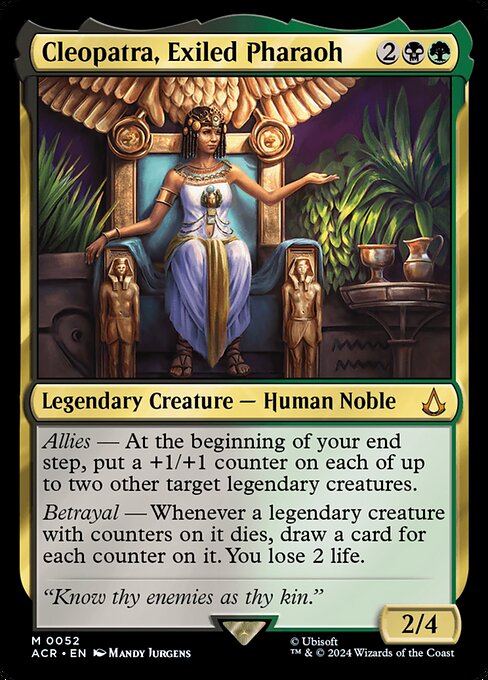
Cleopatra’s got a set of pretty interesting abilities. Allies – gives a +1/+1 counter on up to two other legendary creatures on your end step – they don’t need to be your legendary creatures. Betrayal – draws you cards equal to the amount of any counter on a legendary creature when they die, costing you 2 life regardless of the amount of counters.



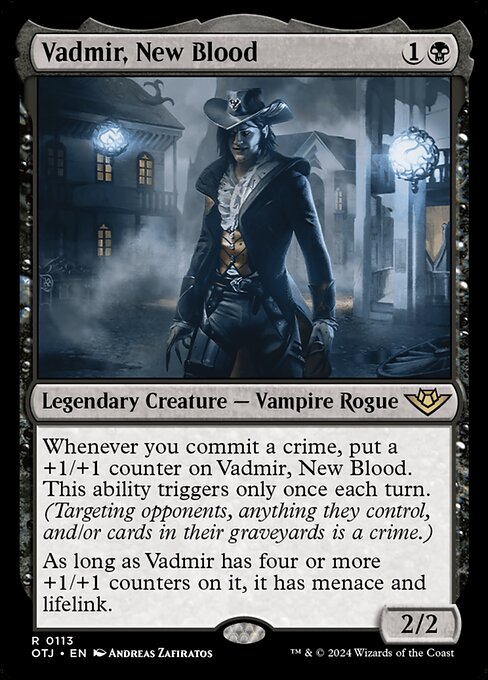
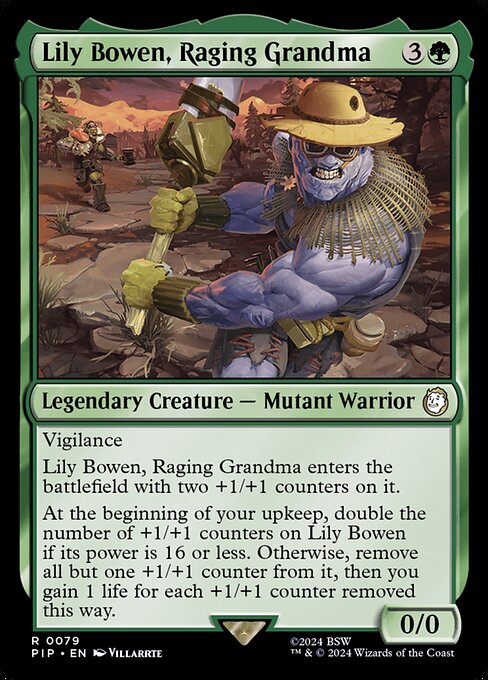
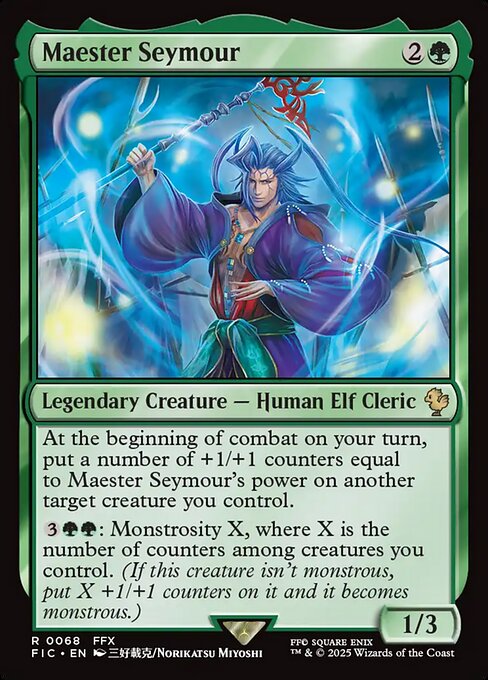
The obvious game plan with Cleo is to stack counters on legendary creatures and have them die for a ton of cards. Cleo could naturally be played in a +1/+1 counters, legendaries-matter deck, playing a bit aristocratic for card draw, and maybe some reanimator. Those are light subthemes here, though the main theme is trying to cause political intrigue by making other players’ creatures the threat.
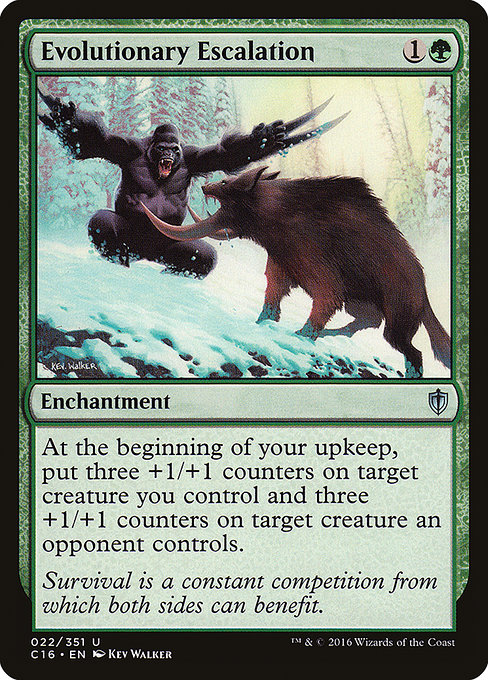
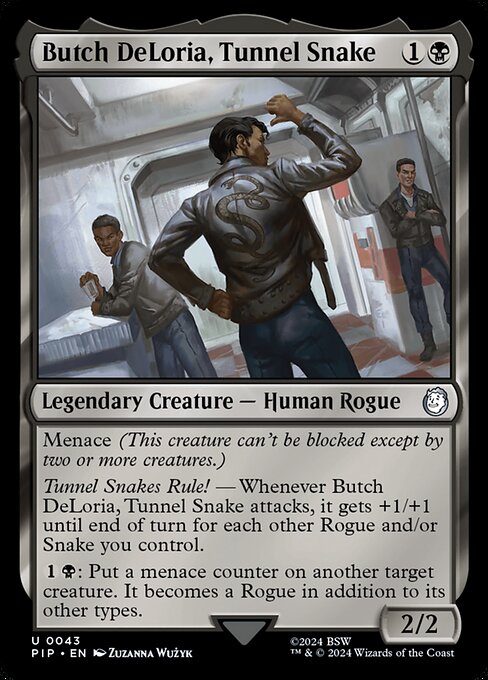
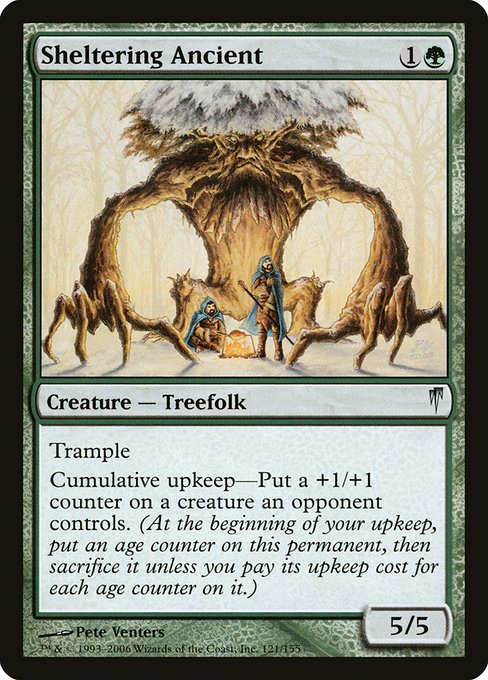
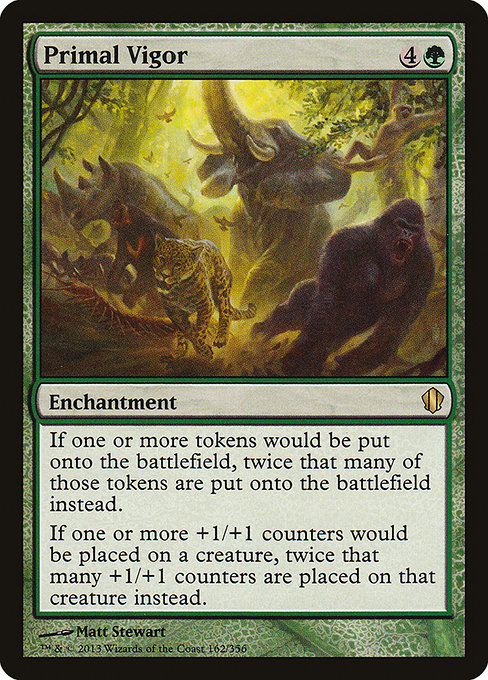
Since Cleo doesn’t care what type of counters are on creatures, she plays a combination of positive and negative counters. On the positive side, you’ve got like the thematically gold Evolutionary Escalation, the chaos-ensuing all-star Primal Vigor, and wacky ways to dole out buffs like Sheltering Ancient and Sunset Saboteur. Even Butch DeLoria, Tunnel Snake can hand out menace counters (and watch the table drink the “tunnel snakes rule!” kool-aid) and Gift of the Viper can be used as a combat trick in favor of one of your opponents allies against an opponent.
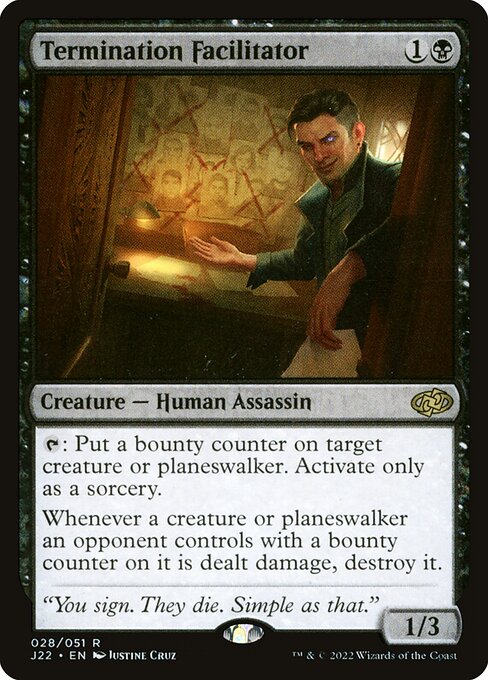
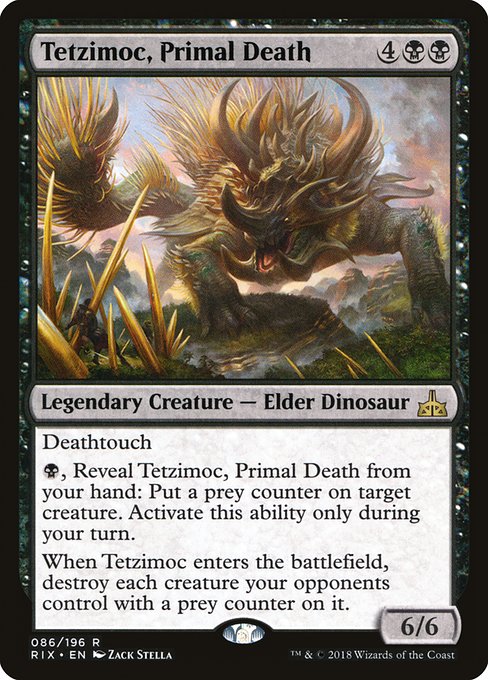
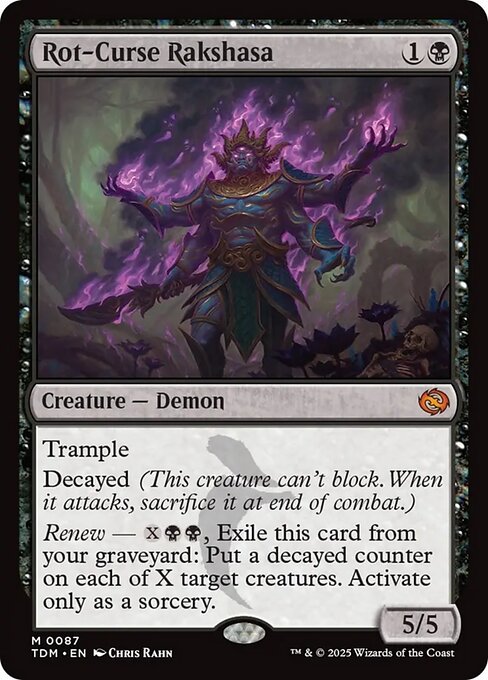
Naturally not all counters are positive, sometimes you just need to put a price on a creature’s head. Bounty Board, Termination Facilitator and Chevill, Bane of Monsters all put a Bounty counter on a creature – maybe the very same one you’ve been buffing! Perhaps you’re making the table’s biggest problem, but also offering the biggest prize for its removal. Tetzimoc, Primal Death puts Prey counters on something for a black; and you can put multiple prey counters on the same creature! Remember that each counter draws you a card with Cleopatra. Rot-Curse Rakshasa can flood the board with Decayed counters and Persistent Constrictor can help you dump -1/-1 counters on problematic creatures.
Hunting for a Thematic Alternate Win Condition
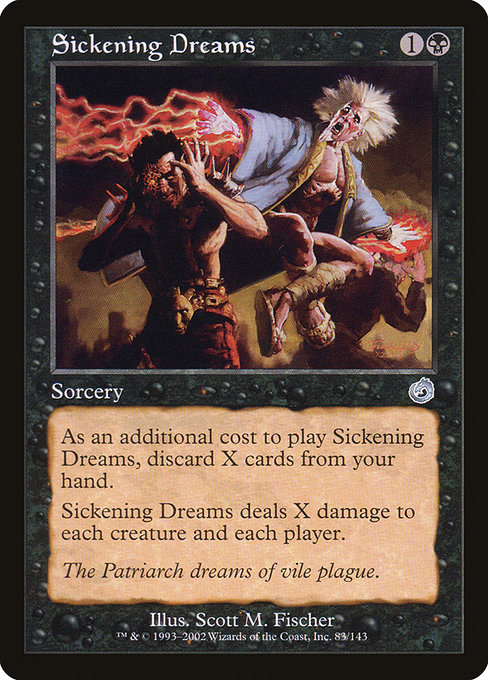
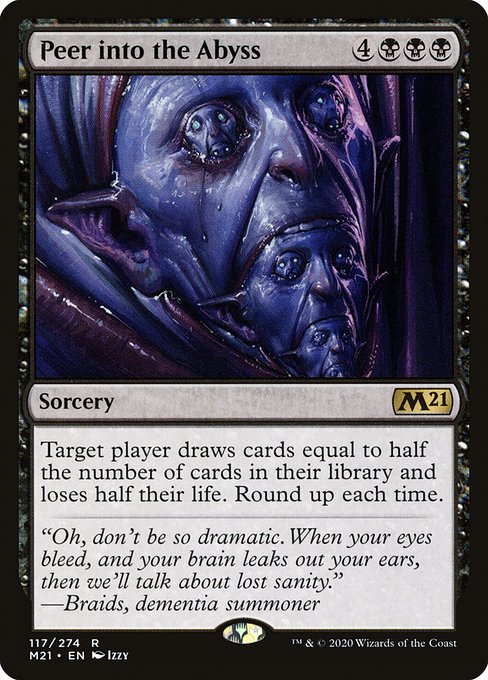
Really the ‘win’ condition I have been hunting for each game I’ve played this is to board wipe or have some huge beefy creature die, draw half my deck, and cast a Sickening Dreams discarding my hand to kill everyone and everything. If you know your history, Cleopatra had a hell of a prosperous reign in Egypt. She courted Caesar, who himself was betrayed. She then allied herself to Marc Antony and eventually lost to Octavian, who had offered her a treacherous peace that she refused. Cleopatra was captured, but ultimately no one kills Cleo but Cleo. The Sickening Dream of being the ruler of the largest societies of the time was ultimately the end to all!
Sadly, I have not yet been able to pull that off. Part of the problem is that I’m not a natural politics player – I rarely take or make deals in most of my games. While people are grateful for the +1/+1 counters, it’s not enough for them to decide not to attack me if it’s convenient. Try as I might, people don’t believe me when I tell them I don’t intend to be the one to kill their bounty-countered creatures. I learned the hard way: as soon as I reveal Tetzimoc, people hesitate to play any creatures, believing he will inevitably be played and blow up their whole board. I just want to load them up with counters!
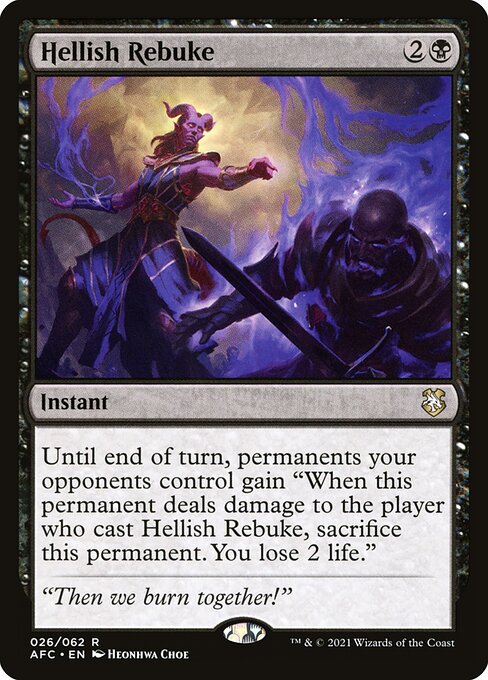
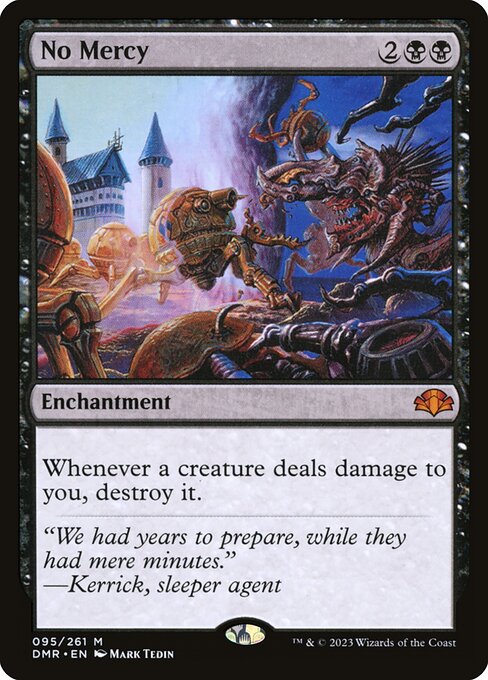
Lastly, while I do run decent interaction in the deck, it feels like I need to slot in a few more ways to ensure those who attempt to betray me lose something in return (and ideally, turbo-charge my card draw).
I learned that politics decks don’t just need incentives – they need enforcement. Cleopatra may promise betrayal, but she doesn’t punish it hard enough.
I have high hopes for this deck. With a few tweaks, she just might be 2026’s Biggest Comeback deck. I will say, a buddy of mine has played this deck a few times and has seen much higher rates of success! No Sickening Dreams yet, though.
2025 Deck Highlights
Beyond the award winners, I also revisited decks I’d previously written about—some held steady, others slipped. I had a number of articles written for commanders in 2025 as well as highlighting which ones did well at the end of 2024. How did those decks fare?
Glissa, The Traitor
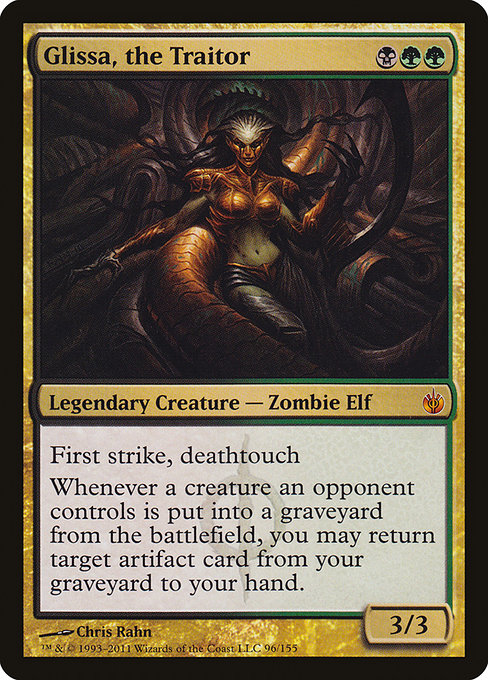
2025 Results – 56% Win Rate over 41 games. 2025 Decklist
2024 Results – 64% Win Rate over 28 games. 2024 Decklist
Glissa’s win rate dipped in 2025 and had more overall games ended. I think these absurdly high win rates naturally drop as you include more games, especially if you play against the same pod over and over. I was still fairly pleased with Glissa’s performance in 2025 – I did add those 3 lands I promised and I actually had far fewer games where I was just sitting doing nothing before my engine was online. However, I do think that Glissa might just be too slow – if Glissa has somewhat of a lock on the game she still doesn’t exactly end the game quickly, which can be a drag to play against. I think for 2026 she needs a couple of ways to close games when she gets the advantage. Maybe it’s finally time to throw in a Portal to Phyrexia – can’t they just reprint that already?
Saint Traft and Rem Karolus
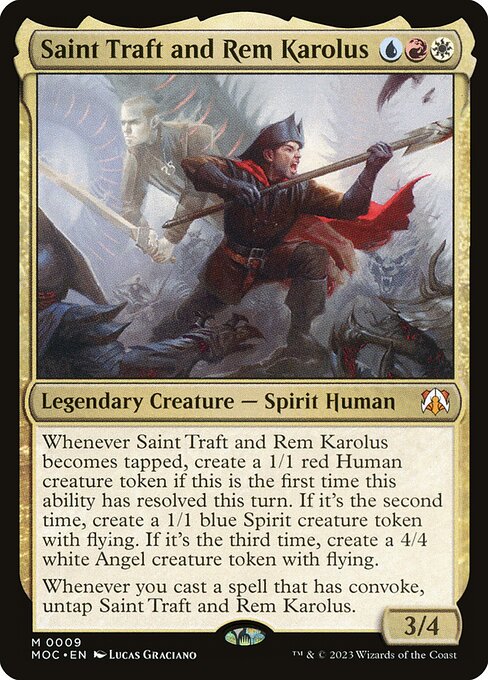
2025 Results – 54% Win Rate over 11 games. 2025 Decklist
2024 Results – 55% Win Rate over 18 games. 2024 Decklist
Not a ton of variance for Saint Traft, though I did play them less this year than the year prior. I do enjoy this deck, the struggle is that every few sets a card or two comes out that really wants to find a home in this deck but we just don’t have the space for it. I’m also experimenting with a few cards, like Faces of the Past and Moonlit Meditation. Maybe also a Mirrormind Crown in 2026? I have one coming in the mail, was considering it for this deck or for Teysa.
Clavileño, First of the Blessed
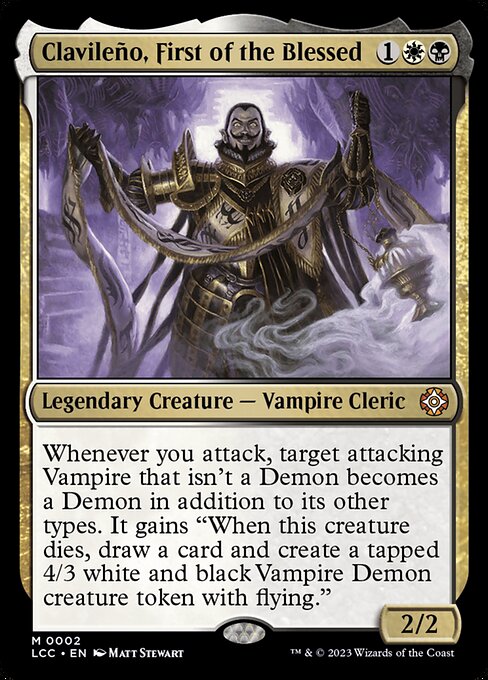
2025 Results – 43.9% Win Rate over 41 games. 2025 Decklist
2024 Results – 51% Win Rate over 39 games. 2024 Decklist
My most played deck of 2024 took a bit of a dive in win rate this year as my pods see it more frequently and target it early. The deck probably needs a few more pieces of spot removal or board wipes, as I’ve lost games on early turns (like 4-6) by just being focused down by a big unblockable beater or being archenemy. Still an incredibly fun deck, picked up a lot of cheap powerful vampires during the Innistrad Remastered release, and have a blast turning these vamps sideways.
Kogla, the Titan Ape
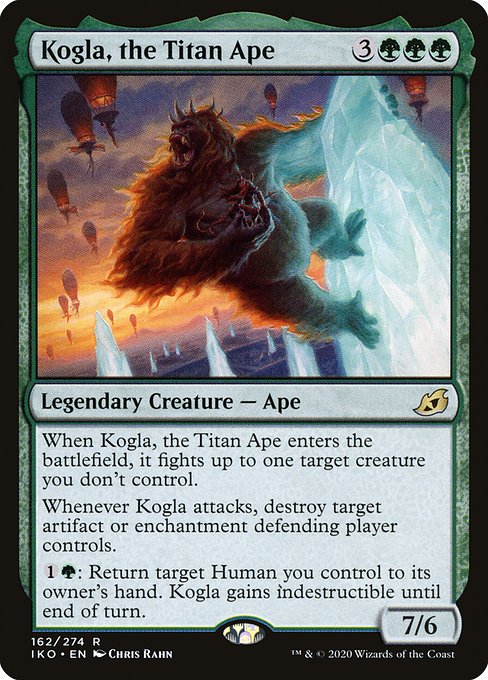
60% Win Rate over 5 games.
Decklist: https://archidekt.com/decks/18742499/kogla_the_titan_ape
I wrote three commander articles in 2025 – Kogla, Old Rutstein and Mister Negative. The last I did not build (I have a feeling it would be too salt inducing), Old Rutstein we already covered, so that just leaves Kogla. Having only 5 games played, I can’t say I have too much data. Even in 2024 I only had 3 games played. Interestingly, I think I enjoy building combo decks much more than I enjoy actually playing them. I wrote an article on Galadriel and I have a Ranar the Ever-Watchful deck – all of which I’m considering taking apart since I don’t reach for these decks often. I think I liked Kogla’s initial iteration best – a goofy mono green fight spells and fight creature deck. Maybe I’ll rebuild that version one day.
2025 Full Results
For the data nerds out there, here’s a full breakdown of each deck’s performance in 2025. Find the decklists in my 2025 Commander Decks folder on Archidekt.
| Commander | Wins | Losses | Total Games | Win Rate |
| Glissa, The Traitor | 23 | 18 | 41 | 56.10% |
| Teysa, Opulent Oligarch | 22 | 18 | 40 | 55.00% |
| Old Rutstein | 20 | 5 | 25 | 80.00% |
| Clavileño, First of the Blessed | 18 | 23 | 41 | 43.90% |
| Altaïr Ibn-La’Ahad | 12 | 15 | 27 | 44.44% |
| Skullbriar, the Walking Grave | 11 | 14 | 25 | 44.00% |
| Niv-Mizzet, Guildpact | 11 | 5 | 16 | 68.75% |
| Etrata, Deadly Fugitive | 9 | 4 | 13 | 69.23% |
| Saint Traft and Rem Karolus | 6 | 5 | 11 | 54.55% |
| Rocco, Street Chef | 5 | 7 | 12 | 41.67% |
| Faldorn, Dread Wolf Herald | 5 | 3 | 8 | 62.50% |
| Captain N’gathrod | 4 | 6 | 10 | 40.00% |
| Aminatou, Veil Piercer | 3 | 6 | 9 | 33.33% |
| Ayara, Widow of the Realm | 3 | 4 | 7 | 42.86% |
| Kogla, the Titan Ape | 3 | 2 | 5 | 60.00% |
| Ranar, the Ever-Watchful | 3 | 0 | 3 | 100.00% |
| Giada, Font of Hope | 2 | 7 | 9 | 22.22% |
| Atemsis, the All-Seeing | 2 | 5 | 7 | 28.57% |
| Blim, Comedic Genius | 2 | 3 | 5 | 40.00% |
| Galadriel | 2 | 2 | 4 | 50.00% |
| Cleopatra, Exiled Pharaoh | 1 | 6 | 7 | 14.29% |
| The Wise Mothman | 1 | 3 | 4 | 25.00% |
| Edric, Spymaster of Trest | 1 | 1 | 2 | 50.00% |
| Baba Lysaga | 1 | 0 | 1 | 100.00% |
| Wyll Dungeons | 0 | 3 | 3 | 0.00% |
| Eriette of the Charmed Apple | 0 | 2 | 2 | 0.00% |
| Lagomos, the Hand of Hatred | 0 | 2 | 2 | 0.00% |
| 2025 Totals | 170 | 169 | 339 | 50.15% |
Well folks, that’s a wrap! Have these decks intrigued you into building them or a similar archetype? What commander do you think fits my “low-threat, high-inevitability” bias a little too well? What were your best and worst decks last year? I’d love to hear from you!